
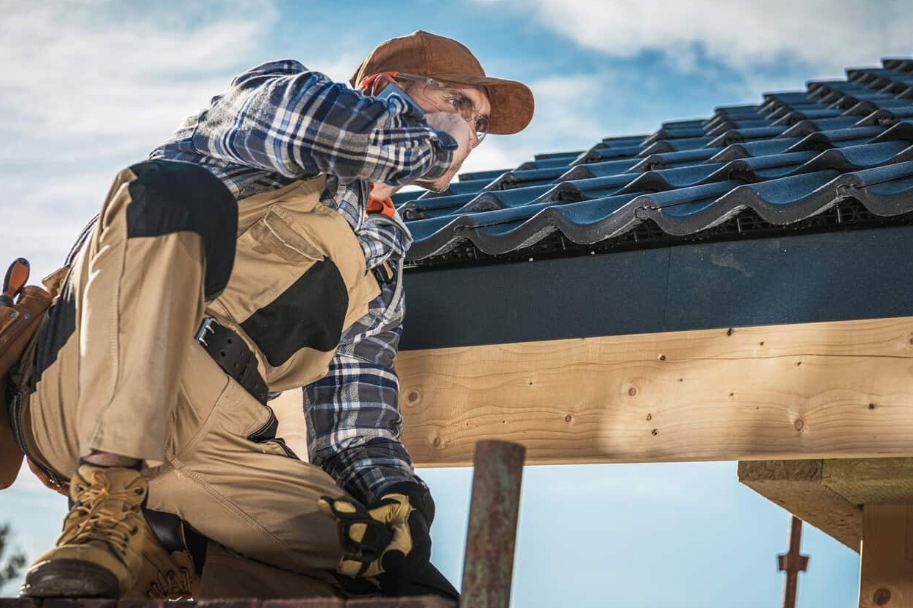
Commercial Roofing Contractor
Your commercial roof will not fall apart in a single day. Problems start with a contractor who skips the inspection, uses the wrong materials, or stops answering calls the moment the job is marked complete. By the time most property owners notice real damage, the warranty is already void, and the repair bill is three times what it should have been. That outcome is not inevitable. It just takes knowing the right questions to ask before anyone sets foot on your roof.
This guide covers everything you need to hire a qualified commercial roofing contractor with confidence.
Why Choosing the Right Commercial Roofing Contractor Matters
Commercial roofing is not an extension of residential work. Flat roofs, low-slope systems, TPO membranes, EPDM, and modified bitumen each require specific installation knowledge. A contractor who mainly works on pitched residential roofs is not automatically equipped for a large commercial building, no matter how many years they have been in business. The consequences of a bad hire go beyond a leaking roof. Tenants get displaced. Business operations slow down. Insurance claims get complicated. And if the installation was done incorrectly, the manufacturer voids the warranty, leaving the full cost of repairs on you.
Verify Licensing and Insurance
Look up their license number through your state contractor licensing board and confirm it is current and in good standing. This takes five minutes and can save you from a serious legal problem later. Insurance is where the real risk lives. You need two things confirmed in writing before anyone touches your building:
- General liability insurance — covers accidental property damage during the Project
- Workers’ compensation insurance — if a worker gets injured on your roof and the contractor does not carry this, the liability can fall on you as the property owner
Do not accept expired certificates or verbal assurances. Call the insurance carrier directly and confirm both policies are active.
Check Experience and Reputation
Years in business do not tell you much on their own. What matters is the specific type commercial roof work a contractor has completed. A company with 20 years installing residential shingles is not the right fit for a 40,000 square foot flat roof system.
Ask directly: what commercial roofing projects have you finished in the past two years? Do you have experience with the specific roofing system on my building? A contractor who handles TPO repairs but has never worked on EPDM membrane systems is not the right hire for that job, even if everything else looks good on paper.
References from past commercial clients matter more than online testimonials. Ask for actual contact information, not just a project list. A confident, experienced commercial roofing contractor will hand those over without hesitation.
Local contractors also carry more accountability. They have an office you can visit, a project manager you can call, and a community reputation they need to protect. Check Google reviews and the Better Business Bureau. Pay attention to how they respond to complaints, not just how many five-star ratings they have.
Request Detailed Estimates and Compare Quotes
A proper estimate from a best roofing contractor covers all of the following:•
- Materials : specific product names, manufacturers, and grades
- Labor : crew size, timeline, and project management plan
- Cleanup and disposal : debris removal and dumpster fees
- Permit fees : required on most commercial roofing jobs
- Warranty details : both manufacturer and workmanship coverage
Any contractor who gives you a number without physically inspecting your roof is working from a guess. That guess becomes a change order mid-project. A professional quote is built on an actual inspection of the roof surface and underlying structure.
Watch for these red flags when reviewing estimates:
- One lump-sum price with no breakdown : no way to compare scope or challenge overcharges later
- No permit mentioned : commercial roofing projects require permits in most areas; skipping them means skipping inspections
- Upfront payment over 50% : standard commercial roofing practice is 10 to 30% upfront for materials, with the rest tied to milestones
- Pressure to sign immediately : a legitimate contractor gives you time to review and compare; “this price expires today” is a sales tactic, not a real deadline
Understand Warranties and Safety Standards
There are two types of commercial roofing warranties you need:
- Manufacturer’s Warranty : covers defects in the roofing materials themselves. These typically run 10 to 30 years depending on the system. The critical limitation: if the materials were installed incorrectly by an uncertified contractor, the manufacturer can void this warranty entirely. You pay full price for repairs with zero coverage.
- Workmanship Warranty : this comes directly from your commercial roofing contractor and covers errors in how the roof was installed. Most run 1 to 5 years. Reputable contractors offer longer terms. If a contractor cannot commit to at least two years on their own installation work, that tells you something about how confident they are in the quality of their crew. Think of it like buying a car. The manufacturer covers defects in the parts. The dealer covers issues from how they serviced it. You need both working in your favor.
Red Flags to Watch Out For
- No physical roof inspection before quoting — a number given without getting on the roof is a guess, and that guess becomes a change order once work starts
- Vague or one-page contracts — commercial roofing projects need a detailed written scope; anything left verbal is a future dispute waiting to happen
- High-pressure sales tactics — a solid contractor lets you compare proposals and make a decision on your timeline, not theirs
- No verifiable local presence — contractors without a real local office or established history in your area are harder to hold accountable after the job
- Unlicensed or uninsured subcontractors — always ask, and get written confirmation that everyone on your roof is covered under valid insurance
Conclusion
Hiring the right commercial roofing contractor is not something you rush through. It takes a few conversations, a few documents, and the willingness to ask questions that some contractors will not like. The ones who welcome those questions are the ones actually worth hiring.Verify the license. Confirm insurance directly with the carrier. Check commercial project experience, not just total years in business. Read every line of the warranty before assuming you are covered. And pay attention when something feels rushed, vague, or too good to be true.
Your commercial roof protects everything inside that building. The commercial roofing contractor you choose determines how well it performs over the next 20 years. Get this decision right the first time, and you will not be dealing with leaks, disputes, or unanswered calls six months from now.
FAQs
How do I know if a commercial roofing contractor is reliable?
Check their active state license, verify insurance directly with the carrier, and ask for references from recent commercial projects. A local presence and real reviews on Google and the Better Business Bureau confirm accountability.
Why is insurance important when hiring a roofing contractor?
Without valid workers’ comp and general liability coverage, you carry the risk. If a worker is injured on your roof, that liability can land on you as the property owner.
How many quotes should I get before choosing a contractor?
Get at least three. One quote gives you a price. Three give you a real comparison of scope, materials, and what each commercial roofing contractor actually includes.
What warranties should a commercial roofing contractor offer?
Two things in writing: a manufacturer’s material warranty covering 10 to 30 years, and a contractor workmanship warranty covering at least 2 years on the installation.
What are the common red flags when hiring a roofing contractor?
No roof inspection before quoting, upfront payment over 50%, vague contracts, high-pressure tactics, and no verifiable local presence or valid license documents on request.