
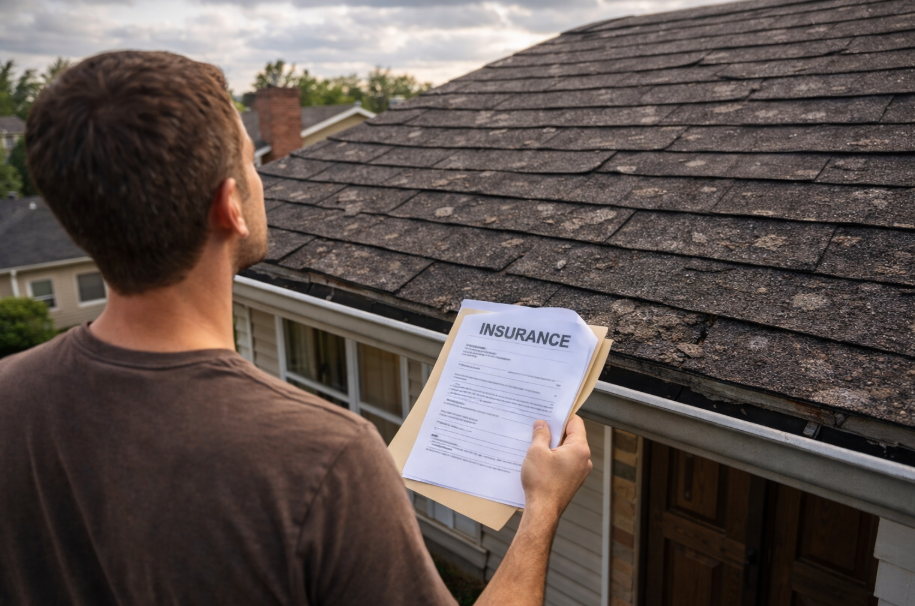
Does Insurance Cover Roof Replacement?
Most insurance companies will step in when damage is sudden and unexpected. Storm damage, high winds, hail, fire, or a falling tree branch these are the situations where your insurer is likely to cover the roof repair or full replacement cost. But if your roof is just old and worn out from years of normal use, don’t expect insurance to foot that bill. General wear and tear is almost never covered.
There’s also something worth paying close attention to in your policy: the type of coverage you have. Some policies pay the full replacement cost of your roof, while others only pay what the roof is currently worth after depreciation. That difference can mean thousands of dollars out of your own pocket, so it really does pay to read the fine print.
If anything in your policy is unclear, call your insurance company directly before you file a claim. Understanding the full process ahead of time keeps you from running into surprises later. When it comes to protecting your roof and your wallet, getting the right information early makes all the difference.
What Roof Damage Is Usually Covered?
It is equally important to know which types of damage are covered under insurance and which are not. An insurance company will accept a claim when the damage occurred suddenly due to a significant cause, not gradually over time.
Storm and Wind Damage: Strong winds can rip off shingles or crack roof tiles in ways you might not even notice right away. If that happens, most homeowners’ insurance policies have you covered.
Hail Damage: Hail hits hard, and it doesn’t take a massive storm to leave real damage on your roof. Dents, cracks, and broken shingles from hail are covered under most standard policies.
Fire and Lightning: If your home takes a lightning strike or a fire breaks out and your roof takes the hit, insurance typically covers the full cost of repairs or replacement. This is one area where most policies don’t leave you hanging.
Falling Trees or Objects: A tree coming down on your roof is every homeowner’s nightmare but it’s also one of the more straightforward claims you can file. If a tree or any heavy object lands on your roof, that damage is generally covered.
What Is Not Covered: An aging roof, mold, neglect, or damage that develops slowly over time is not covered by insurance. Regular maintenance is the homeowner’s own responsibility.
How to File a Roof Insurance Claim
Filing a roof insurance claim is not difficult if you follow the right steps. First, thoroughly inspect your roof and take photos of every area where damage has occurred. Then call your insurance company and report the damage right away.
The insurance company will send an inspector to assess the damage. Walk through everything with them carefully. Keep all your documents ready: policy number, photos, and a detailed description of the damage. Once your claim is approved, hire a reliable contractor to do the work. Do not rush to sign any payment or agreement; understand everything first, then move forward.
Mistakes That Can Get Your Claim Denied
Many homeowners lose their roof claims because they make common mistakes. Avoiding these mistakes is critical.
Waiting Too Long to File: The moment damage happens, start the claims process. Insurance companies pay close attention to timing if you wait too long, they may claim you neglected your roof and use that as a reason to deny your claim. Don’t give them that opening.
Skipping the Photos: No photos means no proof, and no proof means no payout. Before you touch anything or call anyone, grab your phone and document every bit of damage you can see. Those pictures can make or break your claim.
Fixing the Roof Before the Inspection: It feels natural to want to fix things fast, but getting repairs done before the insurance inspector shows up is a costly mistake. Let them come out, assess the damage, and put it in writing first. Then move forward with repairs.
Not Knowing What Your Policy Actually Says: A lot of homeowners don’t read their policy until something goes wrong, and by then it’s too late. Know what’s covered and what isn’t before you ever need to file a claim. That knowledge alone can save you from a nasty surprise.
Signing With the Wrong Contractor: After a bad storm, you’ll likely see contractors going door to door, pushing for a quick signature. Be careful. Storm chasers and fly-by-night contractors are a real problem in the roofing industry. Stick with a licensed, experienced roofing contractor who has solid reviews and a proven track record in your area.
Tips to Get Insurance Approval Faster
Every homeowner wants faster insurance approval. A few simple steps can speed up the process.
Call Your Insurance Company Right Away: Don’t sit on it. The moment you notice roof damage, pick up the phone and report it. The sooner you make that call, the sooner the whole process gets moving in your favor.
Document Everything Thoroughly: Pull out your phone and capture it all photos, videos, and a written description of what happened and what got damaged. The more solid evidence you have upfront, the smoother your claim will go. Don’t leave anything out.
Know Your Policy Before the Inspector Shows Up: Dig out your policy and actually read it before the inspection day. When the inspector starts asking questions, you want clear answers not guesses. Knowing your coverage ahead of time keeps things moving and avoids unnecessary back and forth.
Keep a Record of Every Conversation: Every email, every phone call, every text save it all. Write down who you spoke with, when, and what was said. If anything gets disputed down the line, that paper trail can be the most valuable thing you have.
These simple steps can significantly speed up your approval process.
Why Hiring a Professional Roofing Contractor Helps
Roofing is not an ordinary job; it requires skilled expertise. A professional roofing contractor not only does the job correctly but also assists you throughout the insurance process.
A professional contractor properly documents the damage and knows how to deal with insurance companies. They use quality materials and oversee the quality of work from start to end. Getting cheap work done by the wrong contractor can end up costing you far more in the long run. Always select a trusted and experienced roofing contractor.
Final Thoughts
Filing a roof insurance claim may seem overwhelming the first time, but if you take the right steps, the process becomes much more manageable. Report the damage immediately, take photos, understand your policy, and hire the best roofing contractor.
FAQs
Q: Will insurance pay for an old roof?
Usually not in full. Roofs 20 years or older typically get paid out at depreciated value, not the full roof replacement cost. Some policies may deny the claim based on roof age alone. Review your roofing policy early so you’re not caught off guard when shingle or structural damage shows up.
Q: How long does a roof insurance claim take?
Most roof repair and replacement claims take around 2 to 4 weeks. Having solid roof damage documentation and no disputes can speed up the entire roofing claims process quite a bit.
Q: Can storm damage qualify for roof replacement coverage?
Yes. High winds, hail damage, and storm damage are covered under most homeowners roofing policies. File the claim quickly, photograph all roof damage, and get a licensed roofing contractor to inspect and document everything for a smooth approval.