
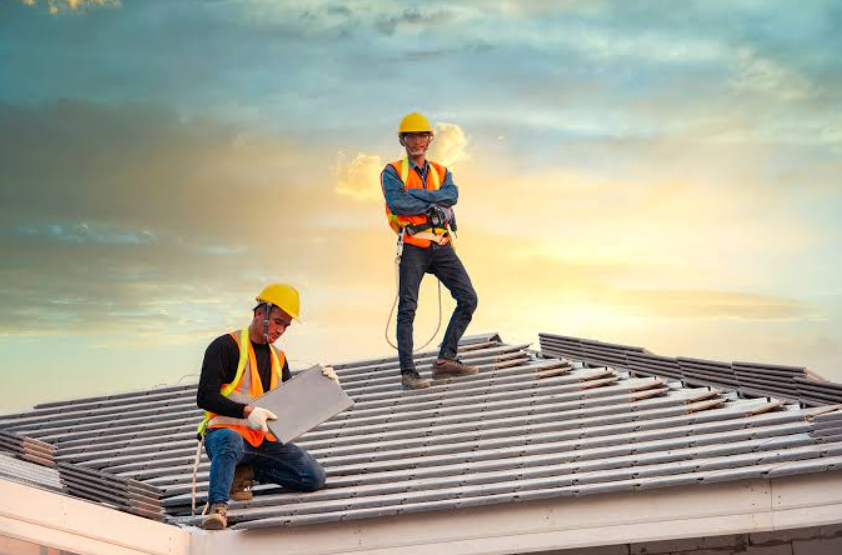
What Does a Roofing Contractor Do?
Your home’s roof takes the hit so everything inside doesn’t have to. Rain, heat, storms handle all of it. But that protection only holds when the person who built or maintained it knew what they were doing. That’s where a roofing contractor matters.
Most people think roofing is just tiles and patching. It’s not. A good contractor looks at the whole roof first, figures out what’s actually wrong, and then decides whether a repair will hold or something bigger is needed. Their hands-on experience and how they approach each job are what keep a home safe and hold its value over time. Wrong contractor, wrong outcome.
Roof Installation
Whether it’s a new build or a full renovation on an older property, roof installation is one of those jobs where there’s no room for shortcuts. A roofing contractor starts by evaluating the building’s structure, understanding what the property actually needs, and determining which materials make the most sense. Climate varies from one region to the next, and no two homes are built exactly the same, so a one-size-fits-all approach simply doesn’t work here.
From shingles and underlayment to flashing and ventilation, every component gets installed in a specific order. That sequence matters. If even one step is done out of turn or skipped entirely, it creates problems down the line that are far more expensive to fix. A true professional doesn’t just make the roof look good from the street; they make sure everything underneath is done correctly, too. The work that goes into installation is what keeps a homeowner worry-free for years to come.
Roof Repair
Wear and tear on an older roof is completely normal; the problem starts when it gets ignored. An experienced roofing contractor can tell almost immediately whether a problem is minor or something more serious. Lifted shingles, water intrusion, loose flashing each issue has its own fix, and knowing the difference matters.
Repair isn’t just about closing up the visible damage. A thorough contractor inspects the surrounding area too, because one weak spot often signals that others are close behind. A small leak can sometimes be a symptom of a much larger underlying issue. A contractor who patches the surface and moves on without looking deeper is leaving the job half done. Real repair work gets to the root of the problem, not just the surface of it.
Roof Inspection
Most homeowners only think about an inspection after something goes wrong and that’s the wrong approach. Regular inspections catch problems before they turn serious. A contractor doesn’t just glance from the ground; they check shingles, gutters, flashing, and ventilation up close. None of it gets properly evaluated without a trained eye.
That’s the real value you find out before it becomes an emergency. A small inspection fee now can save thousands later. Homeowners who stay on top of this consistently get more life out of their roofs
Roof Replacement
At some point, repairs stop making sense and a full replacement becomes the only practical move. It feels like a big decision, but an honest contractor tells you when you’ve hit that point instead of endlessly patching a roof that’s done its time. If the roof is over 20 years old or water is coming in from multiple spots, replacement is the smarter call.
The process means stripping off all the old material, checking the structure underneath for damage, then starting fresh. It’s a real investment, but the return is real too. Property value goes up, energy bills come down, and the homeowner gets solid peace of mind for the next 20 to 25 years.
Benefits of Hiring a Roofing Contractor
Some homeowners think they’ll save money by going DIY or hiring an unlicensed laborer. That thinking gets expensive fast.
Safety comes first. Roof work is genuinely dangerous. A trained contractor has the right equipment and knows how to use it. Then there’s material knowledge. A professional understands which materials actually hold up in your specific climate. And there’s the warranty that most contractors stand behind their work, so if something goes wrong, they come back and fix it.
Insurance matters too. If an accident happens on the job, a licensed contractor’s coverage absorbs that liability. Without it, the homeowner takes the hit. Hiring a professional isn’t just about better results; it’s about protecting yourself throughout the whole process.
How to Choose the Right Roofing Contractor
Finding the right contractor isn’t as straightforward as it sounds, especially when there’s no shortage of options. A few things make the process a lot more manageable.
Start with the basics: verify their license and insurance. It sounds obvious, but a surprising number of people skip this step entirely. Then read through the reviews. Not just the star rating, but what people are actually saying. A couple of negative reviews here and there is normal. A consistent pattern of complaints is a red flag.
Getting multiple quotes is also non-negotiable. Don’t just go with the cheapest option, pay attention to which contractor is clearly explaining the scope of work, what materials they plan to use, and how long the job will take. A contractor who gets irritated when you ask questions is not someone you want on your roof.
Finally, local contractors are generally the better choice. They know the regional climate, they’re familiar with local building codes, and if something needs to be addressed after the job is done, they’re actually reachable.
Conclusion
A roofing contractor’s job isn’t simply to put a roof over your head; it’s to take responsibility for one of the most critical components of your home. Everything covered in this article points to the same conclusion: choosing the right contractor is a smart investment, not just another expense.
Whether it’s installation, repair, inspection, or a full replacement, expertise is what separates a job done right from one that causes problems six months later. Homeowners who rush toward the cheapest option often end up spending significantly more in the long run. One job done the first time properly eliminates years of headaches.
Don’t put off roof maintenance. Get inspections done on schedule, address small problems before they grow, and whenever work needs to be done, call a verified and experienced roofing contractor. The safety of a home starts at the top, and keeping that roof in good shape is one of the most important things a homeowner can do.
Frequently Asked Questions
What does a roofing contractor do?
They handle installation, repairs, inspections, and replacements. They check the roof’s condition, figure out the right materials, and run the whole project through to the final walkthrough.
When should I hire a roofing contractor?
See a leak, damaged shingles, or anything off after a storm, don’t wait, just call. Even when things look fine, a yearly checkup keeps small issues from turning into bigger ones.
How much does a roofing contractor charge?
Depends on roof size, material, and type of work. Small fixes cost less; full replacements run higher. Get a few quotes and see what each one actually covers.
How long does a roof installation take?
A standard home finishes in one to three days. Larger roofs, certain materials, or bad weather can push that back. Something unexpected underneath adds time too.
How do I choose the right roofing contractor?
License and insurance, no exceptions. Read real reviews, not just star ratings. Get two or three quotes and read what each covers. Someone who speaks plainly and has references is worth trusting. The lowest bid rarely stays lowest by the end.